
When Love Comes First
There’s a subtle tension in John 15 that’s easy to miss until you sit with it for a while. Jesus says, “If you keep my commands, you will remain in my love, just as I have kept my Father’s commands and remain in his love.” (John 15:10) But what if that’s not just a condition to meet—what if it’s a reflection of what naturally happens when love comes first?
The Usual Reading: Obedience Leads to Love
Most translations render Jesus’ words in the familiar order: “If you keep my commands, then you will remain in my love.” That’s a sequence that sounds like a spiritual transaction—do this, then you’ll have that. It fits the rhythm of our modern religious instincts: earn, prove, and sustain by doing. It’s not wrong. In fact, the original Greek supports that order. The words really do say, “If you keep… then you will remain.” But here’s where the tension begins. If we take it only that way, love becomes the reward of obedience rather than its source. And I think Jesus meant something far more relational.
A Different Emphasis: Remaining Leads to Obedience
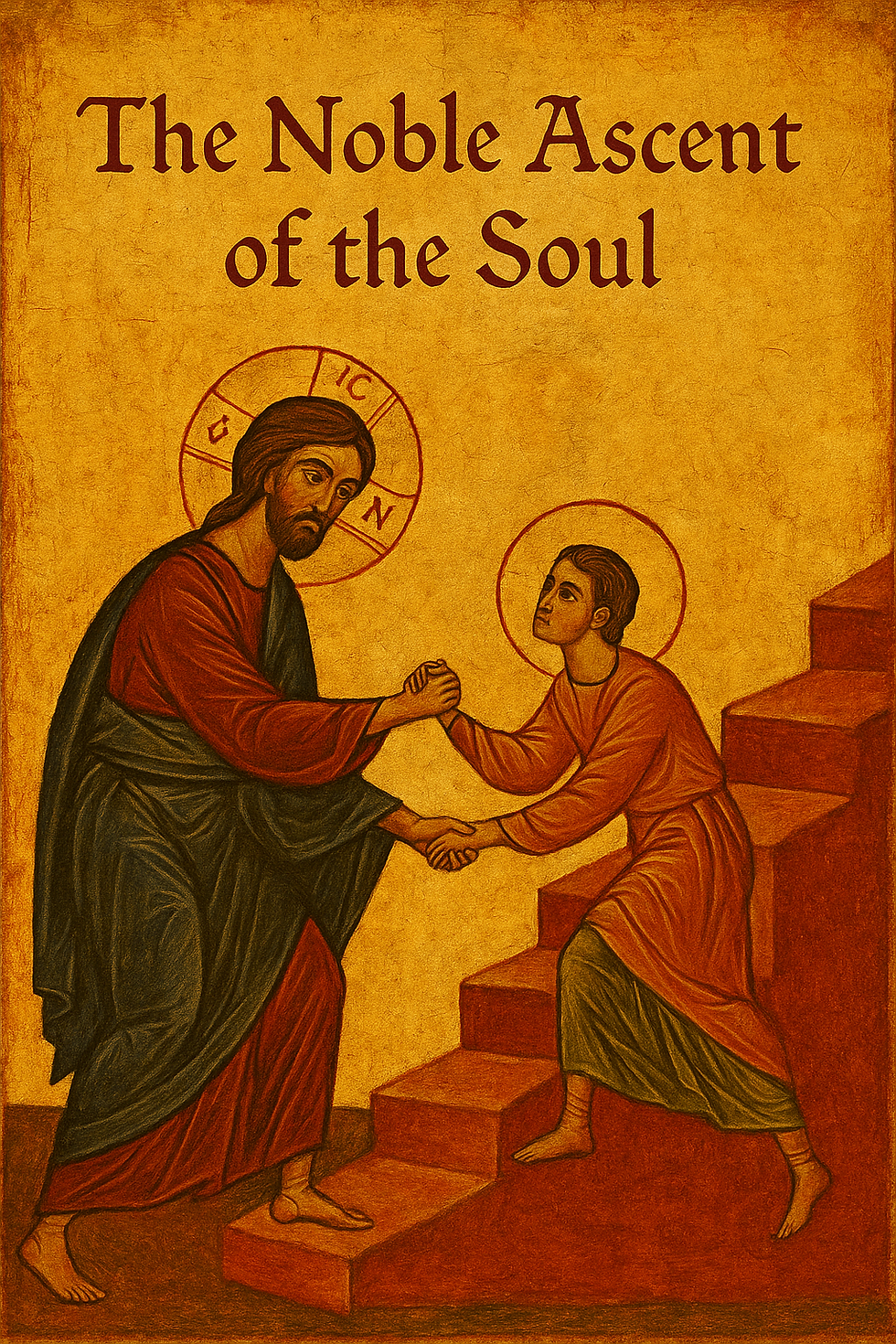
What if we read John 15 as the language of union, not transaction? Jesus could just as truly be saying, “When you remain in my love, you will keep my commands.” Because when you live rooted in love, obedience becomes the overflow of that relationship. When you rest in love, you begin to live differently—not out of fear of disconnection, but out of the joy of belonging. This reading doesn’t reject obedience. It restores its context. Obedience isn’t the way to earn love; it’s the fruit of having already received it. It’s not “do this so you can remain.” It’s “remain, and this will become who you are.”
The Natural Outcome of Love
This small shift changes everything about the spiritual life. If abiding comes first, joy follows naturally, “that my joy may be in you, and that your joy may be complete.” Joy, then, isn’t a command to pursue; it’s the byproduct of living in union with Christ. When love is the root, obedience is the fruit. When intimacy is the foundation, holiness grows almost unconsciously. When you remain in love, you don’t have to try to obey; you want to. The commands of Jesus stop feeling like conditions to meet and start feeling like the rhythm of love itself.
Union, Not Performance
That’s the heart of this passage, and it’s also the heart of spiritual direction and coaching for pastors and leaders. Many of us were trained to measure spirituality by effort: how hard we try, how faithfully we serve, how obedient we appear. But love doesn’t grow in the soil of performance. It grows in the soil of presence. Union with God isn’t earned; it’s received. And once received, it begins to reorder everything. You’ll notice it in your tone, your patience, your rest, your joy. You’ll find yourself doing the same work, but from a place of love rather than toward it.
The Invitation
Maybe today, Jesus isn’t asking you to try harder to obey. Maybe He’s inviting you to remain, to sink back into the love that’s already yours. Because when you remain in His love, you will keep His commands. It’s what love does when it’s allowed to breathe.
If this resonates, if you’re longing for a space to slow down, breathe again, and rediscover joy that doesn’t come from striving, that’s what Coaching the Red Line is all about. I integrate both life coaching and spiritual direction, helping pastors, entrepreneurs, and leaders learn to lead from rest and live from love.
📞 509-999-3305
🌐 Coaching the Red Line
🎥 YouTube Channel
And if you know a pastor, are being led by a pastor, or are friends with a pastor who could use this kind of support, I’d be grateful if you’d introduce us. Sometimes the greatest gift you can give a pastor is simply pointing them to a safe place to breathe.


Good stuff and great point on the transactional work of religion verses the relational work of Jesus!